
Brokers typically provide investment services on a transactional basis — in which you pay a broker a fee called a commission or markup every time you buy or sell an investment. Before sharing sensitive information, make sure you’re on a federal government site. Another benefit of using a broker is cost—they might be cheaper in smaller markets, with smaller accounts, or with a limited line of products. An example would be a real estate broker who facilitates the sale of a property.
They must manage potential conflicts of interest — such as favoring their own inventory over finding a better price for a client on the open market. The Financial Industry Regulatory Authority , FINRA, oversees both to ensure they operate fairly. By leveraging their industry knowledge, an insurance broker can help you understand confusing policy terms and conditions.
A financial firm known as a stock or investment broker enables its clients to trade stocks using a brokerage account. Forex companies identify the optimal prices in the security market and carry out the buy and sell orders from their clients. These days, it is quite typical for brokerage firms to offer at least one online platform for executing trades. Furthermore, investing and acquiring knowledge about it have become more convenient due to the internet. In essence — a broker serves as a mediator between a service provider and a client.
“They show and list homes, facilitate inspections and appraisals and negotiate sale contingencies.” A real estate broker works for either a real estate buyer or seller to negotiate sales and manage documentation involved in closing real estate transactions. Mortgage brokers can work independently, but some work as part of a mortgage brokerage firm. Additionally, mortgage brokers act as an intermediary between lenders and borrowers, organizing and gathering paperwork from borrowers and ensuring its relayed accurately to the lender. Even your employer might have used a data broker to check your employment eligibility! Using sources like social media and public records (data brokers gather details about people), such as names, addresses, phone numbers, incomes, and occupations.
Depending on the type of brokerage firm you choose — expectations will vary. In markets like forex, brokers often earn from the difference between the bid and ask prices of assets. For example, if you buy shares worth ₹1,00,000 and the brokerage rate is 0.05%, you have to pay ₹50 in fees. Such brokers may not be the right choice for those who are new to stock market investments. But the extra cost can be worthwhile given the wide range of services and products on offer.

Our educational Shorts simplify the understanding of what is wacc trading and financial markets. The access to markets, leverage, trading platforms, and liquidity that brokers provide is something individuals cannot secure on their own. Trading is made possible through an intermediary. A trading service links individuals with financial markets (facilitates buy and sell orders), and offers platforms, tools, and customer assistance.
A brokerage account is what exactly?
By using a standard brokerage account, you can easily deposit funds and trade investments through a brokerage. Discover the various types of brokerage accounts and the steps to begin your investment journey. If you have savings and are searching for an effective way to manage your funds, opening a brokerage account could be an excellent choice for you. Explore more about the advantages of having a brokerage account and how it stacks up against other investment account types.
Public: Best for options trading costs
Some brokers (known as discount brokers), charge smaller commission, sometimes in exchange for offering less advice or services than full service brokerage firms. Again (figure out what kind of investing you want to do), how much you want to pay and the type of broker you’ll need. Full-service brokers (on the other hand), roll their research and advisory service costs into their trade fees, resulting in trade fees ranging from $100 to $200 each. Investment brokers generally charge per trade, with costs varying based on the level of service offered by the broker. The act of opening a brokerage account doesn’t mean you’ll be on the hook for additional taxes.
A brokerage account allows you to buy and sell financial products like stocks, ETFs, mutual funds, and bonds. This type of brokerage account is only available in AZ, CA, ID, LA, NM, NV, TX, WA, and WI. This type of brokerage account is owned only by a married couple. With this type of brokerage account (if one owner dies), there is no right of survivorship—instead, the decedent’s share of the account will go to their estate. Both owners have equal rights to this type of brokerage account. An individual brokerage account has the name of one (and only one), account owner attached.
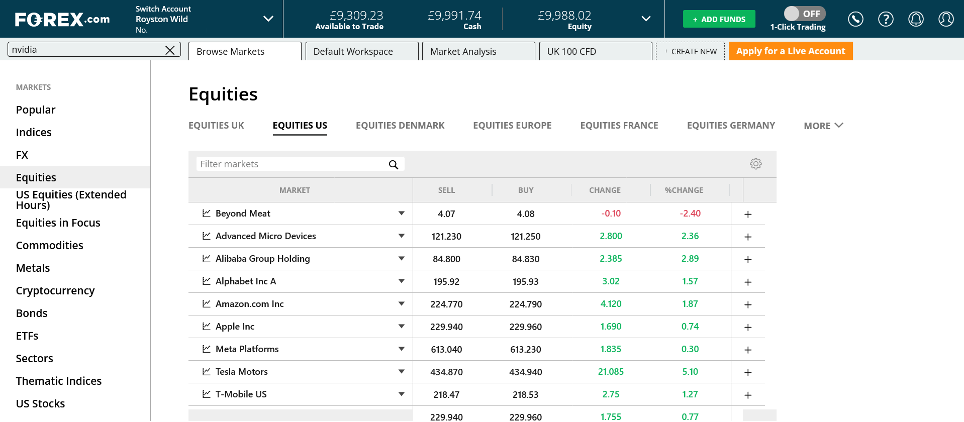
What do stock brokers do?
In the past, only wealthy people used a broker for stock market trading. The broker subsequently received a fee – a percentage of the final sale price – for her services. This regulatory framework maintains trust in the stock market and ensures that investors’ money is safe. Discount brokers offer lower costs for executing trades, while full service brokers may charge higher fees for their advisory services and broader range of investment products. A brokerage account acts as your gateway to buying and selling securities (such as stocks), bonds, mutual funds, and ETFs, through a licensed brokerage firm.
Make sure to check about possible fees before starting your trading journey with a broker. The first thing to check for when choosing a broker is its reputation. Moreover, these companies do not take a fee; they earn on a spread, the difference between the purchase and sell price.